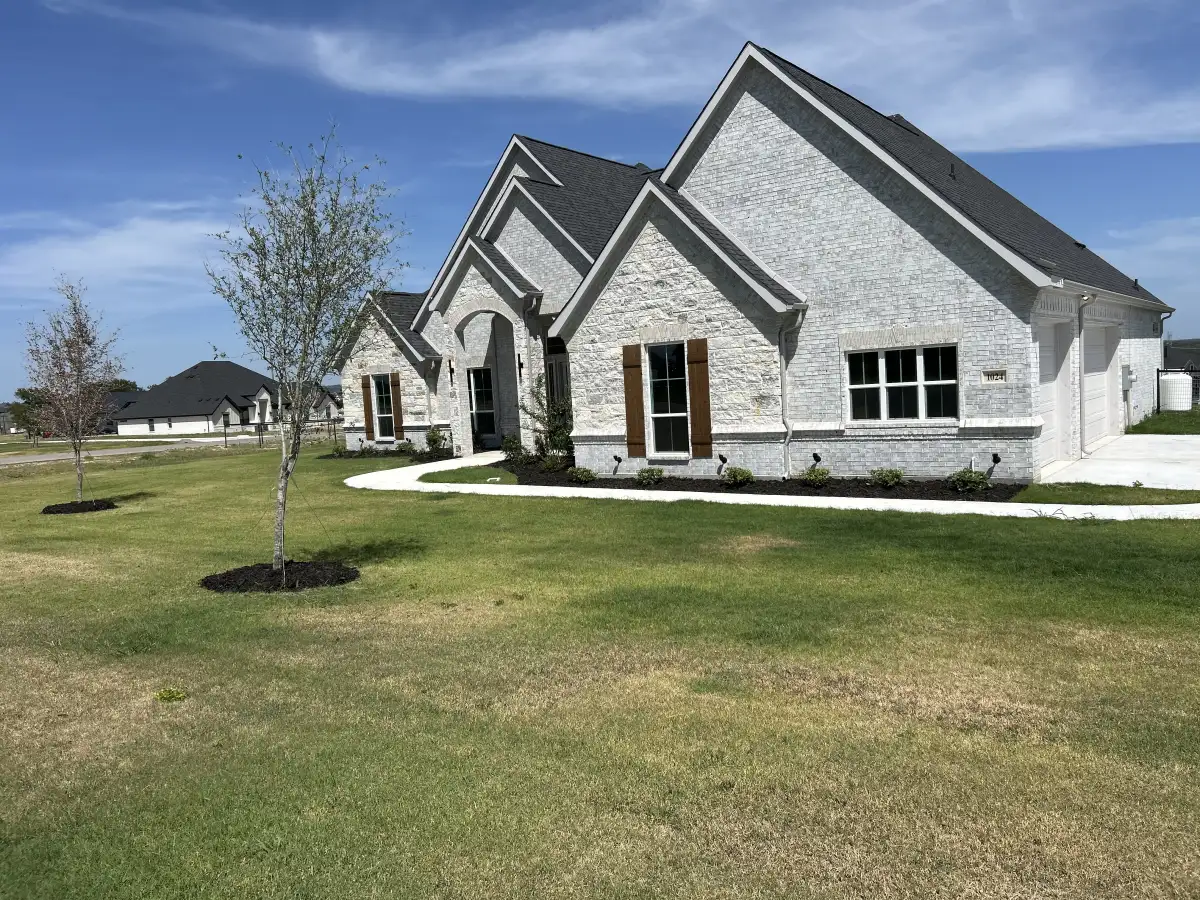
By L&L Landscape and Design ·
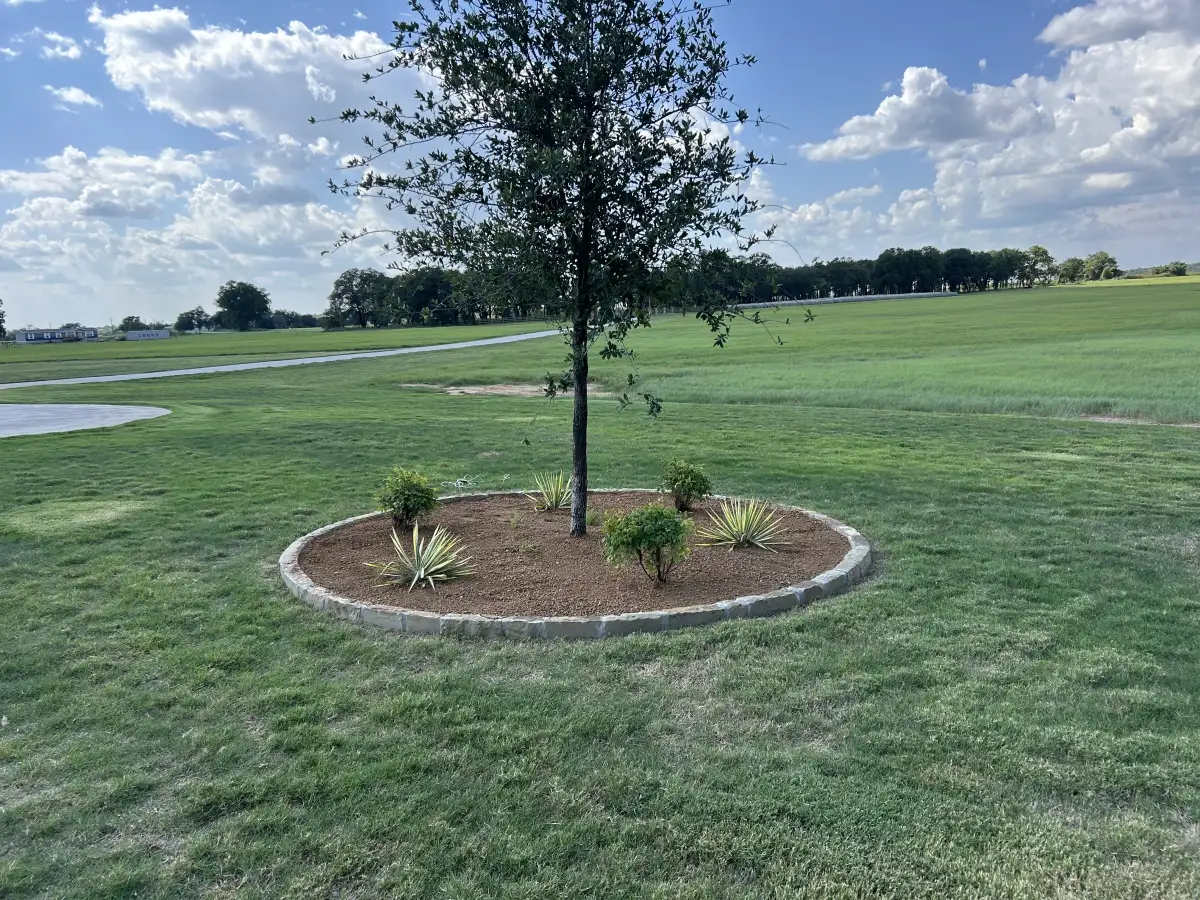
Booking a landscape design consultation is easier when you know which questions will shape the finished yard. In Weatherford, TX, the right conversation goes beyond plant color or where a patio might look nice. A durable plan has to account for Parker County clay soil, heavy rain runoff, summer heat, occasional freezes, sun exposure, grade changes, and how your family actually uses the space.
L&L Landscape and Design works with homeowners across Weatherford and nearby Parker County communities on custom landscape design, hardscape, planting, drainage, retaining walls, flower beds, sod, and outdoor living upgrades. If you are comparing contractors or deciding whether now is the right time to start, these questions will help you get a more useful estimate and a better long-term result.
The same planning factors also apply to nearby service areas such as Springtown landscape design, where larger lots, access, slope, and future phasing can change the right first step. Whether your project is a front bed refresh or a full backyard transformation, the best estimate starts with clear answers about soil, drainage, hardscape sequencing, plant selection, and maintenance expectations.
Quick Answer
Before booking landscape design in Weatherford, ask how the plan will handle drainage, clay soil, full-sun exposure, plant maintenance, hardscape base prep, project sequencing, and budget priorities. A strong consultation should leave you with a clear path: what needs to happen first, what can wait, and which design choices will hold up in North Texas conditions.
1. What problem should the landscape design solve first?
Many homeowners start with a visual goal: stronger curb appeal, cleaner flower beds, a better backyard, or a patio that feels finished. Those goals matter, but the first design question should be practical. Is water collecting near the house? Is the lawn failing because of shade or soil compaction? Is a slope making part of the yard hard to use? Is the front bed overgrown because the original plant choices were wrong for full sun?
A strong custom landscape design starts by naming the main problem clearly. A front-yard refresh may need bed reshaping, steel edging, mulch or decorative rock, and heat-tolerant planting. A backyard transformation may need grading, drainage, and access planning before any patio or fire feature is built. When the problem is clear, the estimate becomes more accurate and the finished landscape is less likely to need rework.
2. How will the design handle Weatherford clay soil?
Parker County soil is one of the biggest reasons generic landscape ideas fail. Heavy clay expands when wet, shrinks when dry, and drains slowly after strong rain. That affects plant health, sod establishment, retaining walls, patios, pathways, and even the long-term shape of flower beds.
Ask whether the design includes soil preparation, amendments where needed, proper bed height, and plant selections that can handle local conditions. For hardscape, ask how the base will be prepared and how surface water will be moved away from the structure. For planting, ask whether the plant list is suited for Zone 8a heat, drought stretches, and the occasional winter freeze. L&L often pairs design planning with softscape and planting services so the bed layout, soil prep, and plant choices work together instead of being treated as separate decisions.
3. Does drainage need to be handled before finish work?
Often, yes. Drainage does not have to be the most visible part of a landscape, but it can determine whether the visible work lasts. If water is standing near the home perimeter, washing mulch out of beds, softening a patio area, or cutting ruts through the yard, the design should address that before cosmetic upgrades are installed.
Drainage planning may involve grading adjustments, French drains, catch basins, channel drains, downspout extensions, or a simpler reshaping of bed lines and swales. The right answer depends on the property. A Weatherford homeowner with a sloped backyard may need a different solution than a Hudson Oaks or Willow Park homeowner dealing with water trapped between the house and driveway. If water movement is part of the redesign, plan any needed drainage installation before beds, sod, or hardscape.
4. Should hardscape be designed before planting?
If the project includes patios, walkways, fire features, retaining walls, or decorative stone, hardscape should usually be planned early. Permanent elements define traffic flow, gathering areas, bed shapes, and drainage direction. Planting can soften and finish those spaces, but it should not force changes to the structure after installation starts.
For example, a future fire feature may affect where a walkway belongs today. A future retaining wall may change how beds should be shaped now. A flagstone or paver patio may need grading work that would disturb new sod if done in the wrong order. Even if you are not ready to build every element at once, ask your designer to map the future phases so the first phase does not create expensive conflicts later. Learn more about hardscape and fire feature planning before placing permanent beds or sod around a future outdoor living area.
5. What plant choices work best in Weatherford?
The best plant list depends on sun exposure, irrigation, maintenance tolerance, soil conditions, mature size, and the look you want. A plant that works well beside a shaded porch may fail in a west-facing bed that bakes through July and August. A shrub that looks small in a nursery container may overwhelm a narrow walkway once it reaches mature size.
Ask whether the design balances evergreen structure, seasonal color, native or adapted perennials, ornamental grasses, and low-maintenance ground coverage. For many Weatherford homes, a durable planting plan may include drought-tolerant species, amended beds, clean edging, and mulch or rock selected for the maintenance level the homeowner actually wants. When flower beds are the priority, coordinate color, border style, and upkeep through L&L's custom flower bed service.
6. Can the project be phased without looking unfinished?
Yes, but phasing needs to be designed. A phased landscape project should still have a complete plan behind it. The first phase may focus on drainage and grading, front beds, a main walkway, or one outdoor living area. Later phases may add sod, stone borders, planting, a patio, or a retaining wall.
The key is sequencing. Work that changes grade or access should usually happen before finish materials. Permanent stonework should be planned before plants are placed too close to the work area. If budget is the reason for phasing, be direct about it. A clear budget range helps the designer prioritize the highest-impact items first instead of spreading money thinly across too many areas.
7. What should I prepare before the consultation?
You do not need a finished plan before calling a landscape contractor. You should, however, gather a few details that make the consultation more productive. Take photos of the yard during different times of day if shade is a concern. Make notes after heavy rain if water movement is part of the problem. Save a few examples of landscapes you like, but focus more on why you like them: cleaner lines, more color, less maintenance, better seating, safer steps, or a more finished entrance.
Also decide which outcome matters most. Some homeowners want a polished front entry before listing a home. Others want a backyard that can handle kids, pets, and weekend gatherings. Some want less mowing and lower water use. The same property can support several directions, so ranking the goals helps the design stay focused.
8. How much maintenance do you want after installation?
A landscape can look impressive on installation day and still be wrong for the homeowner if the maintenance level does not fit. Ask what upkeep each choice will require after the crew leaves. Dense seasonal color, new sod, formal shrubs, decorative rock, mulch, native or adapted perennials, and outdoor living features all have different watering, trimming, cleanup, and refresh needs.
For Weatherford properties, maintenance planning should also account for heat, wind, and clay soil. New plantings need a consistent establishment period. Mulched beds may need seasonal refreshes. Rock beds reduce some maintenance but still need good edging and weed control. Sod needs proper prep and watering at the start. If the goal is a lower-maintenance yard, say that early so the design can use durable bed shapes, practical plant spacing, and materials that fit your weekly routine.
9. How do I compare landscape design estimates?
A low estimate is not always a better estimate if it leaves out drainage, base prep, bed preparation, cleanup, or material quality. Compare what is included, what is excluded, and what assumptions the contractor made. Ask whether the estimate includes removal of old material, soil amendments, edging, weed barrier where appropriate, grading, haul-off, plant sizes, mulch or rock depth, and final walkthrough.
For structural items, ask about base depth, compaction, drainage behind retaining walls, and how the installation will handle clay movement. For planting, ask how the design prevents overcrowding and what the watering plan should look like while plants establish. If the project includes slope management or outdoor living space, read more about retaining walls and patios before comparing proposals.
Plan Your Landscape Project
Frequently Asked Questions
What should Weatherford homeowners ask before booking landscape design?
Ask how the design will handle clay soil, drainage, sun exposure, plant selection, hardscape base preparation, project phasing, and the final estimate. A useful consultation should connect the look you want with the conditions on your specific property.
Does landscape design in Weatherford need to include drainage planning?
Yes, drainage should be discussed before beds, sod, patios, retaining walls, or pathways are installed. Not every project needs a drain system, but every project should account for where water goes during heavy rain.
Can a landscape design project be completed in phases?
Many projects can be phased. The important step is designing the overall plan first so early work does not block later hardscape, planting, drainage, or outdoor living upgrades.
What should I bring to a landscape design consultation?
Bring photos of spaces you like, a rough budget range, notes about drainage or maintenance problems, and priorities such as shade, curb appeal, outdoor living, low-water planting, or safer access.
Ready to Walk Through Your Yard?
L&L Landscape and Design provides custom landscape design for Weatherford, TX and surrounding Parker County communities. If you are planning new beds, hardscape, sod, drainage, pathways, retaining walls, or a full yard transformation, start with a focused on-site consultation.