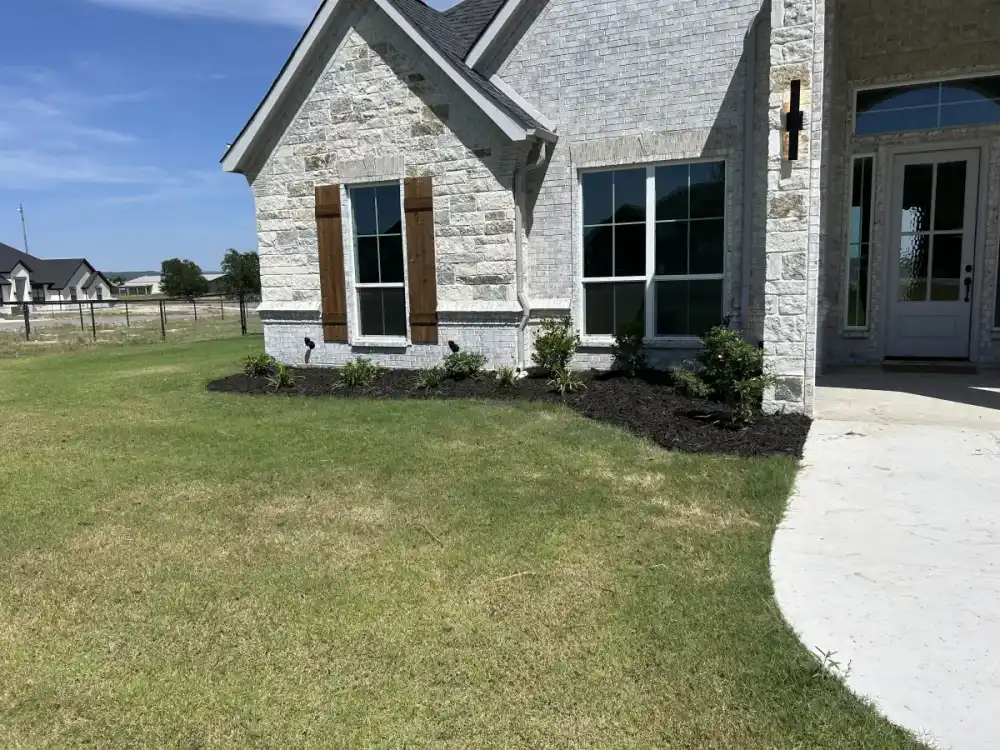
Landscape Design in Springtown, TX
Custom landscaping for properties that blend rural character with modern living. Approximately 20 minutes north of our Weatherford base.
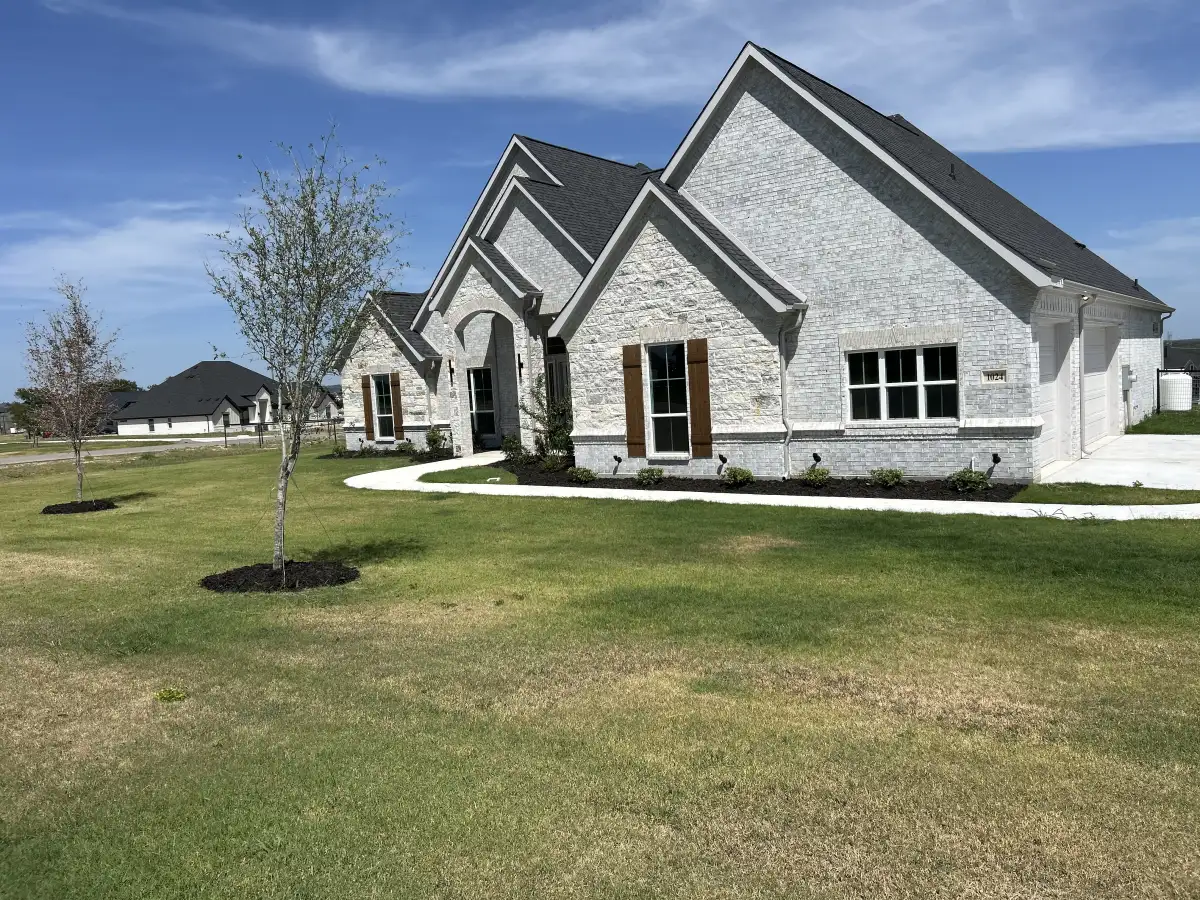
Landscape Design for Springtown's Rural Properties
Springtown occupies a distinct position in the Parker County landscape. Located north of Weatherford along Highway 199, this community retains the agricultural heritage and rural character that originally defined the entire region, while absorbing a wave of new residential development as families seek space and affordability beyond the Fort Worth suburbs. L&L Landscape and Design serves Springtown homeowners with services tailored to the unique challenges and opportunities that come with larger lots, mixed terrain, and properties that often straddle the line between ranch land and residential neighborhood.
The Springtown area is shaped by its agricultural roots. Many properties here include acreage — five, ten, even twenty or more acres — with a mix of open pasture, native brush, and scattered post oak stands. These larger properties present landscape challenges that suburban contractors rarely encounter: clearing overgrown fence rows, grading uneven terrain for construction or outdoor living areas, managing drainage across rolling acreage, and integrating designed landscape features with the surrounding natural environment without making them look out of place.
Land Clearing and Large Property Services
Springtown acreage often needs clearing before the landscape plan can take shape. Whether you have purchased raw land for a new home build or need to reclaim sections of an existing property that have grown over, we handle brush removal, tree trimming and selective clearing, fence row cleanup, and debris hauling. Our approach is thoughtful rather than aggressive. We preserve desirable trees and natural features while removing the underbrush, dead timber, and invasive growth that makes properties unusable or unsightly.
After clearing, grading is typically the next step. Springtown's terrain features more elevation variation than the flatter areas closer to Weatherford and the I-20 corridor. Proper grading ensures water drains away from structures, creates level pads for patios and outdoor living spaces, and establishes smooth transitions between different use areas of the property. We use precision grading techniques that account for the soil's behavior through seasonal moisture changes, which is critical on Springtown's clay-dominant properties.
New Construction and Residential Development
Springtown's newer residential developments have brought standard-lot homes to an area that was previously dominated by acreage. These subdivisions offer a different set of landscape opportunities. Homeowners in these developments typically receive minimal builder-grade landscaping and are looking to personalize their outdoor spaces with custom designs. Popular requests include custom flower beds and planting, stone walkways, patio installations, and privacy screening using layered evergreen plantings.
The Springtown ISD area has seen particular growth in family-oriented developments. Young families building in these communities want outdoor spaces that serve multiple purposes: play areas for children, entertaining spaces for adults, and low-maintenance designs that look great without requiring hours of weekend upkeep. We design with all of these priorities in mind, selecting durable materials and hardy plant species that handle foot traffic, resist pests, and maintain their appearance through the Texas seasons.
Springtown-Specific Landscape Challenges
The soil north of Weatherford toward Springtown transitions from the heavy blackland clay near town to a mix of clay and sandy loam as the terrain rises toward the Cross Timbers ecological region. This transition means soil conditions can vary significantly even within a single property. Some sections may drain well and support a wide variety of plantings, while others hold water and require engineered drainage solutions. Our on-site evaluation identifies these variations and informs every design decision.
Springtown's slightly higher elevation and more exposed terrain also mean properties here can experience stronger wind events than sheltered areas closer to Weatherford. Windbreak plantings, secure hardscape anchoring, and wind-resistant plant selections are considerations we incorporate into every Springtown design.
Planning Landscape Design in Springtown?
Bring custom beds, drainage, hardscape, sod, and phased improvements together with custom landscape design that starts with the way your land works.
Site Questions That Shape a Springtown Landscape Plan
Before choosing plants, stone, sod, or bed borders, the design should answer the practical questions that affect the finished result. Where does water travel during a hard rain? Which areas are full sun all afternoon? Will a mower, trailer, or work vehicle still need access? Should the first phase make the front yard presentable, or should it solve a backyard drainage or grade issue before money is spent on finish materials?
Those answers shape the scope. A Springtown landscape design may combine custom flower beds around the house, drought-aware planting, sod in the most visible or usable areas, decorative rock for lower-maintenance beds, a patio or fire feature zone, retaining walls for slope control, pathway or driveway improvements, drainage installation, or selective clearing. Each element is placed to complement the home, support everyday use, and suit the property's natural conditions.
L&L's custom landscape design brings planting, hardscape, drainage, and grading into one coordinated plan. For Springtown homes and acreage, that means responding to open exposure, runoff, changing grades, and working access while focusing finished details where they will make the greatest difference.
Finish the Home Zone
Define the front approach, foundation beds, everyday walkways, and outdoor living areas before spreading detail across a larger lot.
Protect Working Access
Keep drive, mower, trailer, gate, and service access usable while placing beds, paths, stonework, and lawn areas.
Plan the Next Phase
Set drainage, grade, clearing, and permanent hardscape first so later planting, sod, and outdoor features do not require rework.
What Happens During a Springtown Design Consultation
Every design path is shaped by the site, but the consultation should give you clear next steps instead of vague ideas.
Walk the High-Use Areas First
We start where the landscape matters most: the front approach, outdoor living space, side-yard access, problem drainage areas, or the zones you see from inside the home. On larger properties, this keeps the first phase focused instead of spreading the budget across too much land at once.
Read Grade, Runoff, and Exposure
Springtown properties can include open wind, long roof runoff paths, sloped sections, compacted drive edges, and mixed soil conditions. We look at how water, sun, and access affect each proposed bed, patio, pathway, sod area, or planting zone before recommending materials.
Set Priorities and Phases
Some work should happen early, especially grading, drainage, clearing, and permanent hardscape layout. Other elements can follow later, such as added planting, decorative rock, sod expansion, or a second outdoor living area. A phased design helps the property improve without creating rework.
Build a Clear Estimate
After the site review, L&L prepares an estimate based on the work discussed. When a project will be phased, the scope can distinguish immediate needs from later upgrades so you can weigh budget, timing, and maintenance before work begins.
Landscape Design Elements for Springtown Properties
These services are often combined into one plan when the property needs both function and curb appeal.
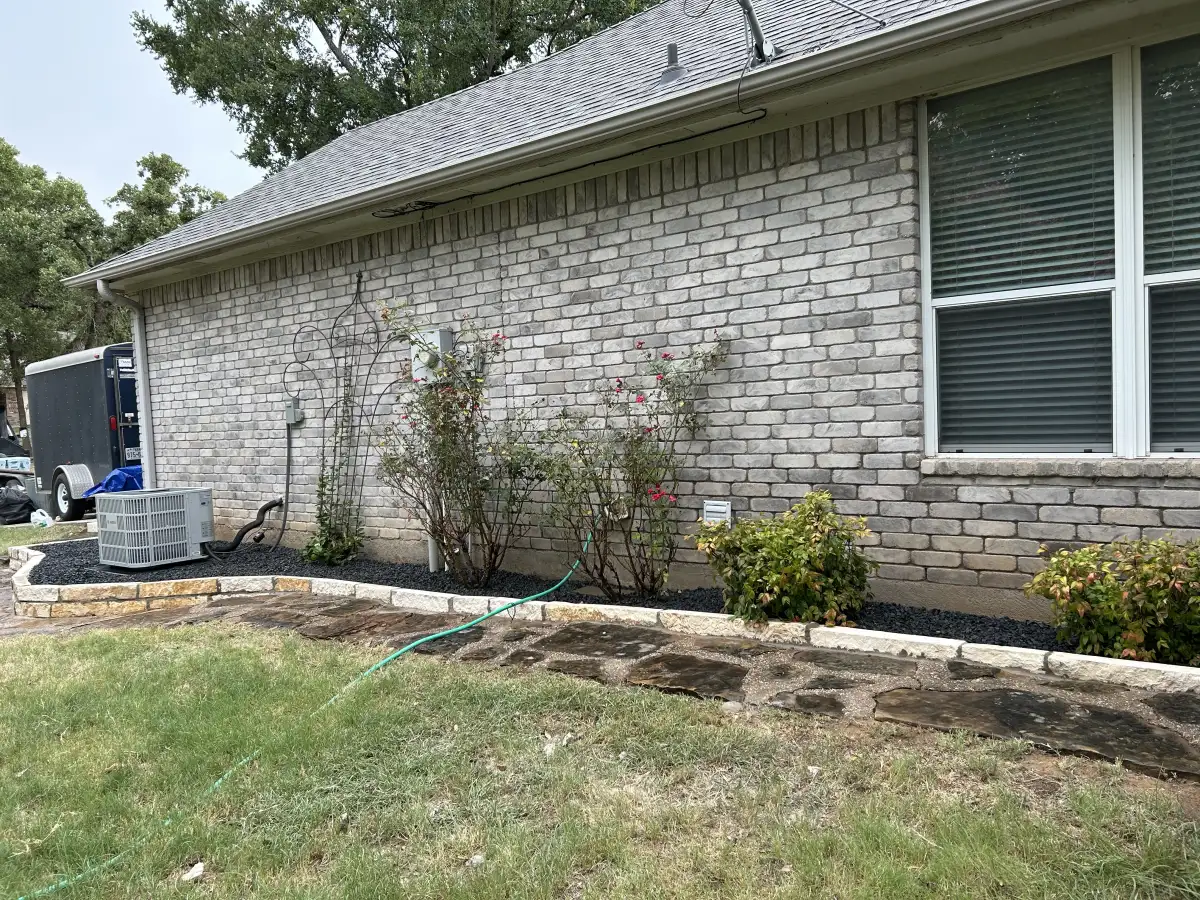
Custom Flower Beds
Clean bed shapes, edging, amended soil, mulch or rock, and plant selections that match Springtown sun, soil, and maintenance goals.
View Flower Beds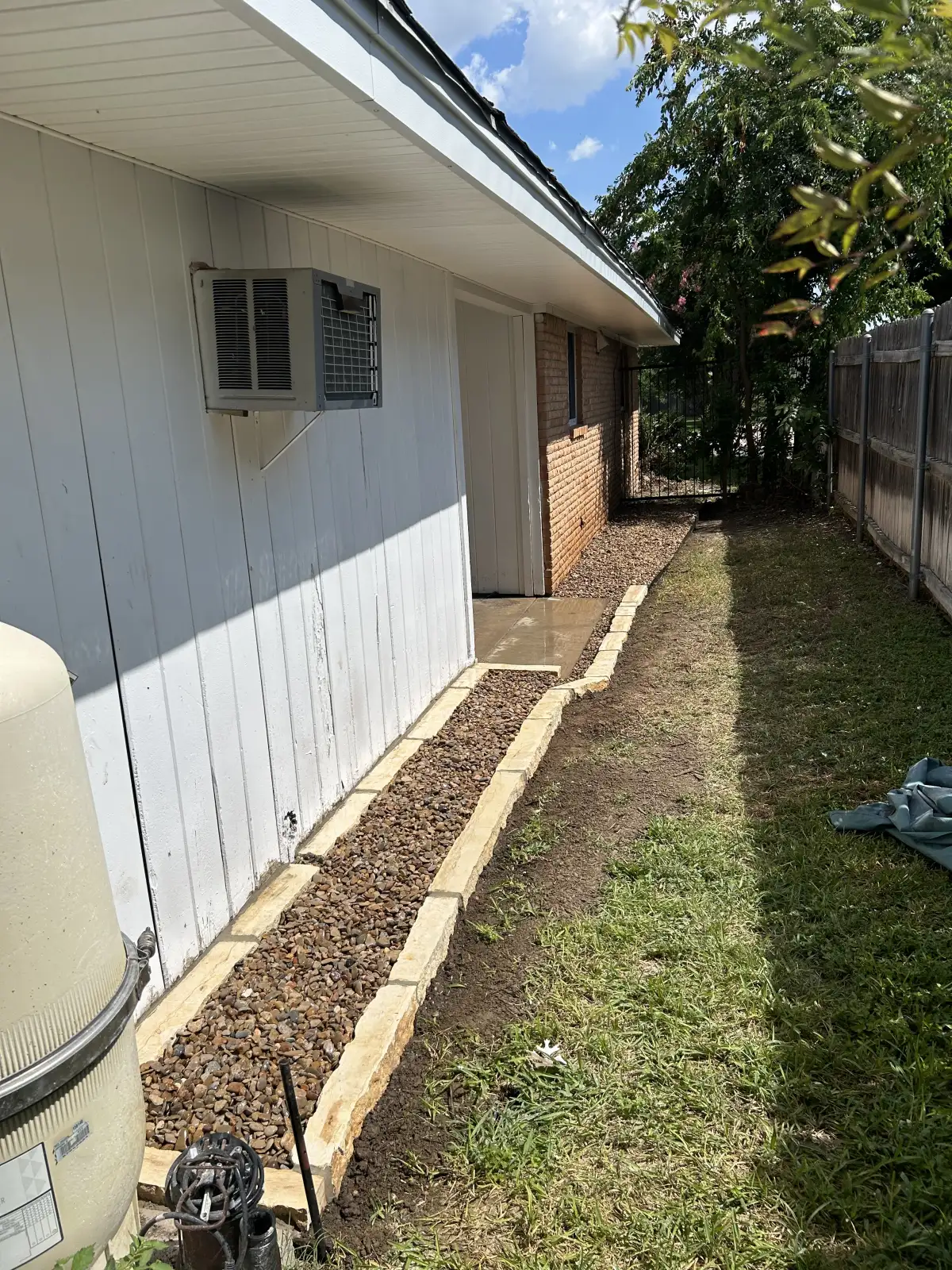
Drainage Planning
Grade review, downspout routing, French drains, catch basins, and surface shaping when water movement needs to be solved first.
View Drainage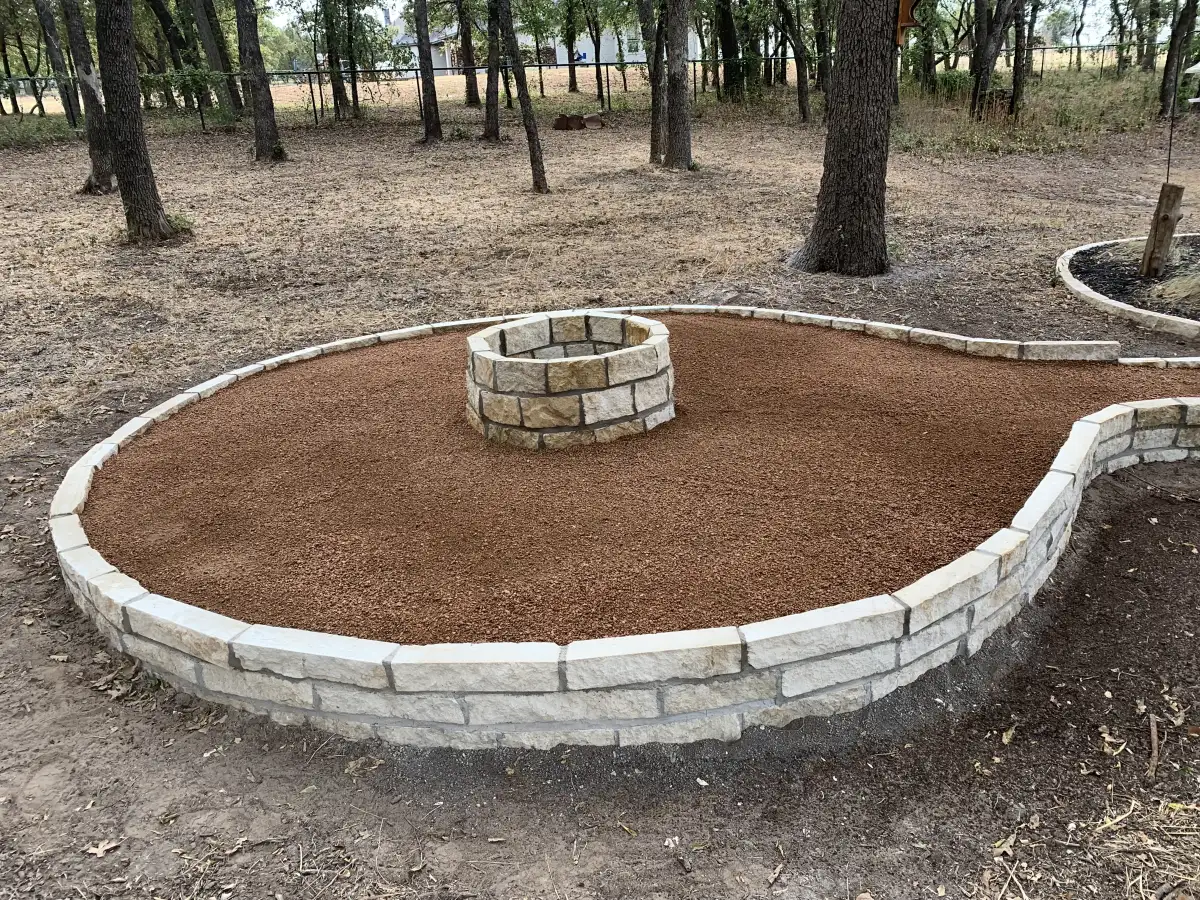
Hardscape Timing
Patios, fire features, stone paths, retaining walls, and decorative rock should be placed early in the design so planting fits around them.
View HardscapeDesigning for Larger Lots, Exposed Edges, and Future Use
Springtown homeowners often ask how much of the property should be landscaped at once. The honest answer is that the most effective design usually concentrates detail where people see and use the space every day. A refined entry, a better walkway, defined beds around the home, a usable patio zone, or a cleaner transition from driveway to front door can make the property feel complete without overbuilding every acre.
Exposure is another important planning factor. Areas with little shade can place different demands on plants and lawn than sheltered spaces beside the home. Plant spacing, mature size, bed orientation, irrigation expectations, and the amount of seasonal care should be considered before installation. For front flower beds, repeating a limited group of plants and scaling their mature heights to the house can create a more cohesive result than scattering many single varieties. Some homeowners want a greener, softer look around the house while keeping outer areas more natural. Others prefer decorative stone, mulch, adapted plants, and hardscape to reduce the amount of lawn and routine upkeep.
Drainage and grade can also decide the correct order of work. Rain that cannot soak through roofs, driveways, patios, and other hard surfaces becomes runoff; without a planned path, that water can contribute to erosion or collecting water. If a future patio needs a stable base, water runs toward a bed, or a side yard must remain open for equipment, solve that condition before finish planting goes in. Projects that change drainage patterns, adjust substantial grades, cross easements, or add permanent structures may also need property-specific approvals before installation. L&L can connect the design to related services such as grading adjustments, pathway or driveway enhancement, land clearing, sodding services, and retaining walls when the site calls for them.
Springtown Property Questions
Yes. We clear overgrown sections, fence rows, brush, small trees, and debris on Springtown properties where the owner wants more usable land. The work is planned around the future use of the site, so desirable trees, shade, access routes, and drainage paths are considered before clearing begins.
Springtown's soil transitions from the heavy black clay found near Weatherford to a mixed profile of clay and sandy loam as the terrain rises northward toward the Cross Timbers region. This means soil conditions can vary across a single property. We evaluate soil composition during our initial consultation and adjust plant selections, drainage engineering, and hardscape base preparation accordingly.
Absolutely. Many Springtown properties include five or more acres, and we design landscape plans that address the entire property — from the house immediate surroundings with detailed plantings and hardscape, to broader areas with grading, drainage, windbreaks, and naturalized planting. We create a cohesive plan that balances designed outdoor living spaces with the natural character of the surrounding land.
A Springtown landscape design should include a property walk-through, drainage and grade review, bed and planting layout, hardscape sequencing, access planning, maintenance expectations, and a clear estimate. Larger lots may also need selective clearing, driveway or pathway planning, and phased work around future outdoor living areas.
Drainage should be reviewed before new beds, sod, patios, retaining walls, or pathways are installed. If runoff is already cutting across the yard or collecting near the home, the design should address water movement before finish materials are selected.
Yes. Many Springtown projects start with the highest-visibility or highest-need area first. The important part is mapping the long-term direction before phase one begins so access, drainage, hardscape, and planting choices do not create conflicts later.
A strong front-bed plan starts with the home's scale, the hours of direct sun, roof runoff, mature plant size, and the amount of upkeep you want. Repeating a limited group of plants can create a more cohesive look than scattering many single varieties, while mulch or decorative rock can define the bed and help simplify routine care.
Maintenance should be discussed before the layout and materials are finalized. Lawn area, plant growth habits, irrigation needs, bed material, pruning, mowing access, and seasonal cleanup all affect how much ongoing care the finished landscape will require.
The rule of three is a simple way to create repetition and visual rhythm, such as grouping or repeating three compatible plants, forms, or materials. It is a design guideline rather than a requirement. Plant spacing still needs to account for mature size, sun, drainage, and maintenance.
Common mistakes include choosing plants before checking sun and mature size, overlooking drainage and grade, making walkways too narrow, blocking mower or gate access, and installing finish materials before planning future hardscape. A whole-property plan can reduce conflicts even when the work is completed in phases.
Start a Springtown Landscape Plan
Schedule a free consultation with Dan. We'll visit your property, discuss your vision, and deliver a detailed estimate — no obligation.