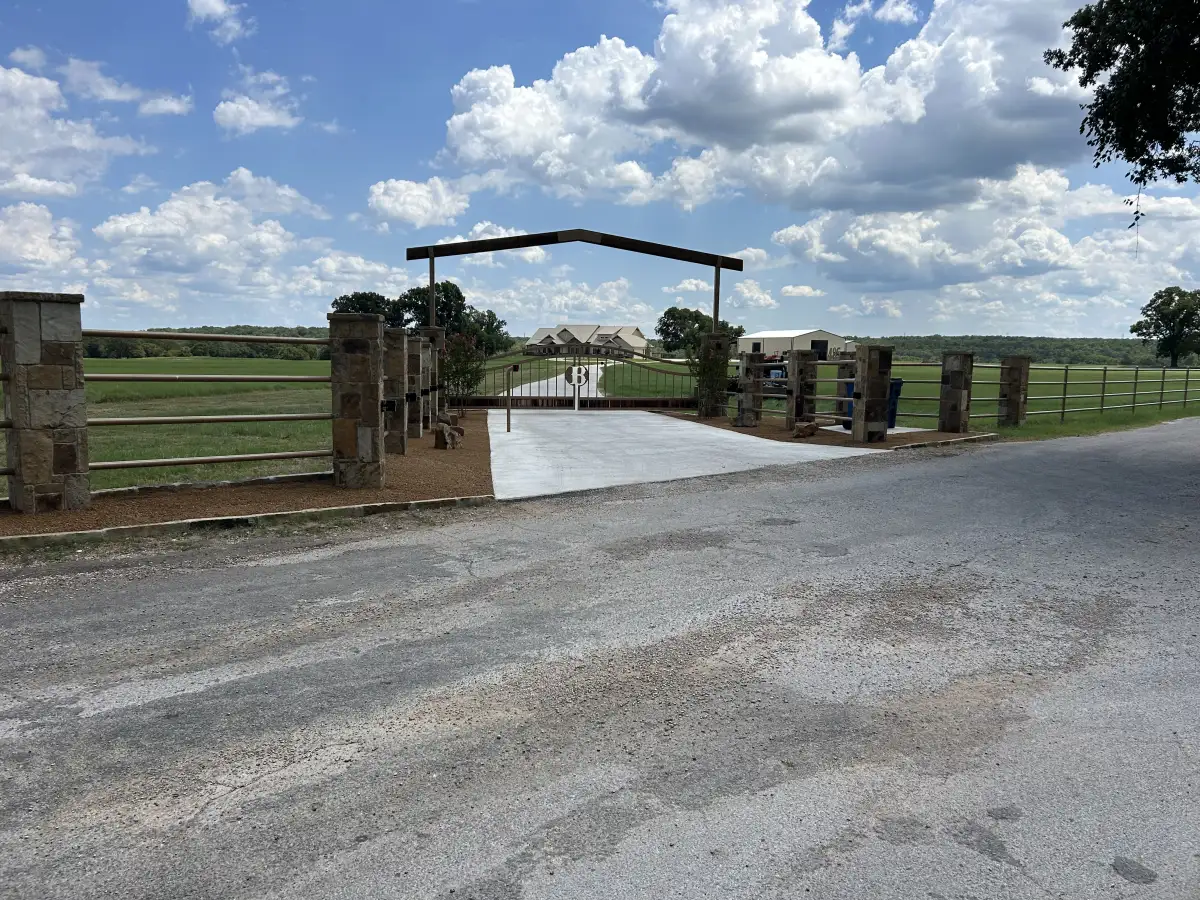
Landscape Stonework in Weatherford, TX
Stonework gives a landscape structure, texture, and permanence. L&L builds stone borders, small walls, steps, pathway accents, bed retainers, and feature details that fit Parker County homes and stand up to clay soil movement.
Small Stone Features Make Landscapes Feel Finished
Stonework is different from a full hardscape build. A hardscape project may include patios, major retaining walls, outdoor kitchens, or large structural features. Stonework often focuses on the details that connect those larger elements to the rest of the yard: a low border around a bed, a natural stone step between grade changes, a dry-stack accent near an entry, or a rock edge that keeps mulch and soil in place.
At L&L Landscape and Design, stonework is planned around the way water, soil, and foot traffic behave on the property. Parker County clay expands, contracts, and moves during wet and dry cycles. Stone placed without base preparation or drainage awareness can shift quickly. We use appropriate excavation, base material, compaction, and layout so each stone feature looks intentional and remains serviceable.
For larger patios, fire features, or structural outdoor living work, L&L can carry the stonework into a coordinated natural stone hardscape plan. For beds, paths, or entries, smaller stone features can supply the finished detail without overwhelming the space.
Selecting Stone for North Texas Homes
The right stone should look like it belongs with the home, the soil color, and nearby landscape materials. Chopped stone gives a clean, defined edge for beds and low walls. Flagstone works well for informal steps and accents. River rock can solve certain erosion and splashback problems, but it needs containment and should not be dumped into beds without a reason. Larger boulders can anchor a planting design when scaled correctly.
We also think about maintenance. A crisp stone border may reduce edging time and keep mulch out of turf. A poorly placed rock bed can collect leaves and become harder to clean than mulch. During the consultation, Dan explains where stone will help and where a different material would perform better.
Stonework often pairs with custom design because it affects bed shapes, plant placement, and maintenance access. Planning these details before installation keeps the final landscape from looking pieced together.
How We Keep Stonework Stable
Each stone feature is evaluated for load, slope, soil moisture, and expected use. Decorative borders may need a compacted base and careful setting. Steps need comfortable rise and run, stable bearing, and surrounding grade that does not wash out. Low walls need attention to drainage and batter, even when they are short. Where water concentrates, we may recommend combining stonework with grading or drainage installation.
We avoid overbuilding when a simple detail is enough, but we also avoid shortcuts that fail after the first heavy storm. The goal is practical craftsmanship: stone that looks good, serves a purpose, and can be maintained by the homeowner after the project is complete.
Stonework Should Fit the Site, Not Fight It
Good stonework starts with scale. A thin border can disappear beside a large rural home, while oversized rock can overwhelm a small entry bed. We size stone details to the architecture, the bed depth, and the surrounding hardscape. We also consider color temperature. Cream limestone, darker chopped stone, river rock, and flagstone each create a different feel. The right choice should support the home rather than compete with brick, siding, roof color, or existing patio materials.
Durability depends on what sits below the stone. Even decorative stone needs a stable base if it will be walked on, leaned against, or asked to hold soil. Steps need consistent bearing and surrounding grade that will not wash away. Low walls need drainage awareness so wet clay does not push them out of alignment. We build for the actual use of the feature, whether it is a visual border, a minor grade transition, or a small retaining element.
Stonework can also reduce maintenance when it is designed thoughtfully. A defined border keeps mulch in beds and makes mowing cleaner. A stone landing can prevent turf wear where people step off a patio. A rock splash zone can protect soil below a downspout. The best stone details solve a practical problem while improving the look of the landscape. During the estimate, Dan explains what the stone is doing and why that detail belongs in the plan.
Questions About Landscape Stone
In many beds, yes. Stone borders create a stronger visual edge and can retain mulch or soil better than thin edging, but they need enough room and proper setting.
Sometimes. Even low walls can trap water. We evaluate the grade and soil before deciding whether gravel, weep paths, or another drainage detail is needed.
We can usually get close, depending on the original material and supplier availability. During the estimate, we compare color, size, shape, and finish.
No. Rock can be lower maintenance in the right place, but it also collects leaves and heat. We recommend it where it solves a specific design or drainage need.
Plan Custom Landscape Stonework
Request a free on-site consultation for stone borders, steps, accents, and small landscape walls.