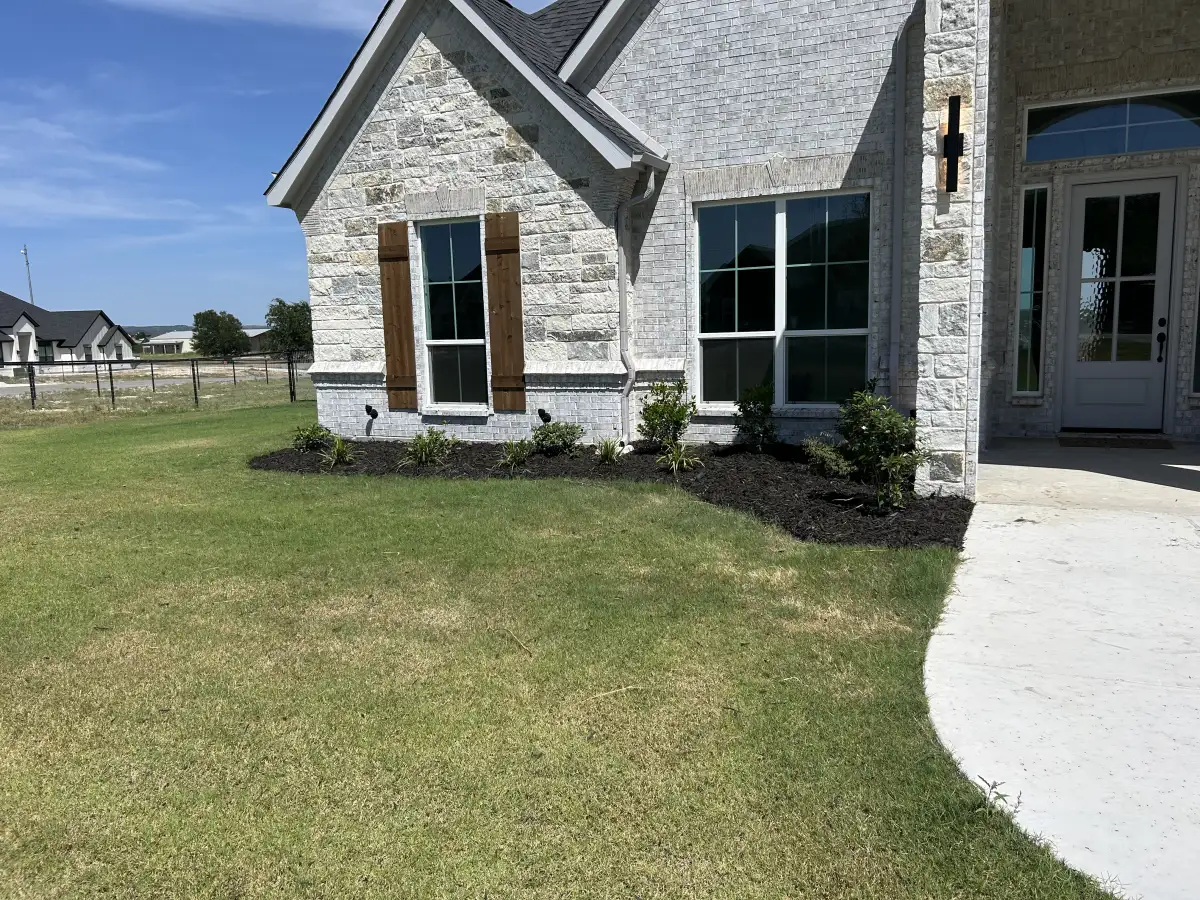
By L&L Landscape and Design ·
A productive landscape design conversation starts before anyone chooses plants or stone. The first decisions are about how the property needs to work: where water moves, how people use the yard, which features must stay, what should change now, and what may be added later.
That matters in Weatherford because one landscape project can connect several kinds of work. A new patio may affect grade and access. A retaining wall can shape drainage and usable space. New beds, sod, rock, or pathways should fit around those permanent decisions instead of competing with them.
L&L Landscape and Design provides landscape design for homeowners in the Weatherford service area. The seven questions below will help you prepare for the consultation and recognize whether a proposed scope addresses the whole problem.
The short version
Bring your top priorities, explain recurring property problems, identify what must stay, and be honest about maintenance and future plans. Then ask how the recommended sequence protects the work you are investing in now.
1. What problem should the design solve first?
Start with the outcome, not a material list. “We need a dry route from the driveway to the backyard” is more useful than “we want a stone path.” “We want a shaded place to eat outside” gives the designer more direction than naming a patio material before the location and size have been evaluated.
List the two or three changes that would make the biggest difference. Separate functional needs—runoff, erosion, difficult access, unused slopes, muddy lawn areas—from finish preferences such as color, stone character, planting style, or bed shape. Both matter, but function should guide the layout.
2. Which property conditions will be evaluated?
Ask what the consultation will cover on site. Grade, drainage patterns, sun and shade, existing trees, irrigation, utilities, gate widths, equipment access, and the relationship between the house and finished surfaces can all affect a design. A plan should respond to what is already there rather than treating the yard as a blank rectangle.
If water collects or moves quickly during storms, photograph it while the condition is visible. Point out downspouts, low areas, washed mulch, soil movement, and places where water crosses a walkway. When runoff is part of the problem, drainage installation and grading adjustments may need to be discussed before planting or surface finishes.
3. How will the design connect hardscape, planting, and lawn?
A useful plan coordinates the built and planted parts of the yard. Patios, pathways, walls, steps, and fire features establish circulation, elevations, and gathering space. Beds, trees, shrubs, lawn, mulch, and rock add shade, screening, softness, and seasonal character around that framework.
Ask whether the scope accounts for both. If the project includes permanent features, review the related hardscape options before finalizing bed lines or sod limits. If the goal is a stronger entry or garden area, discuss how custom flower beds will be prepared, edged, planted, watered, and finished.
4. What exactly is included in the proposed scope?
A clear estimate should describe more than the finished look. Ask what is included for removal, haul-off, site preparation, base material, grading, drainage, edging, plant sizes and quantities, soil amendments, mulch or rock, sod preparation, installation, and cleanup. Not every project needs every item, but you should be able to see which work is included and which is outside the price.
Also ask how material selections will be documented. A proposal that identifies the relevant type, quantity, size, or allowance is easier to evaluate than one broad line item. If an existing irrigation system, electrical work, utility marking, or another trade may affect the project, clarify who is responsible before scheduling.
5. What will the landscape require after installation?
Maintenance preferences should shape the design from the beginning. Mowing access, pruning, leaf drop, irrigation needs, bed-edge control, mulch refresh, rock migration, and the mature size of plants all influence how the space will look after the first season.
Tell the designer how much routine work you expect to handle. Ask about the establishment period for new plants or sod installation, how plant spacing accounts for mature growth, and which areas may need seasonal attention. A design can prioritize strong curb appeal, simple upkeep, more planting variety, or a balance among them—but the preference needs to be stated.
6. Can the project be divided into sensible phases?
Phasing can make a larger plan easier to schedule, but only if the order is established early. Work below the surface and work that changes elevation generally needs to be coordinated before permanent surfaces, planting, and sod. Equipment access also matters: a later phase should not require crossing or removing a newly finished area whenever that can be avoided.
Ask what must happen first, what can wait, and how each completed phase will function on its own. If a patio, retaining wall, fire feature, driveway improvement, or major bed expansion may come later, include it in the conversation now so today's placement supports the longer-term plan.
7. What should I bring to the first conversation?
You do not need to design the yard yourself. A concise set of notes is more useful:
- your two or three highest priorities;
- photos of standing water, erosion, or other conditions that come and go;
- a list of trees, structures, views, and features that must remain;
- the ways you want to walk through, use, and maintain each area;
- reference images with a note about what you like in each one; and
- future improvements that should be protected in the layout.
If you have a working investment range, share it. If you do not, rank your priorities so the conversation can distinguish essential site work from options that may be adjusted or completed later.
Questions to ask before you schedule
Before booking, confirm that the company serves your property location, ask what the first consultation includes, and find out how the next step is documented. You should also know who will follow up, what information they need from you, and whether the discussion covers design only, installation, or both.
For Weatherford homeowners, the most useful starting point is a clear description of the property and the result you want—not a finished shopping list. That gives the landscape professional room to connect layout, materials, drainage, planting, access, and sequence into one workable scope.
Related Weatherford Landscape Resources
Frequently Asked Questions
Does a landscape designer need to see the property before planning?
A property review helps connect the homeowner's goals with grade, drainage, sunlight, access, existing features, and the dimensions of the space. Ask what the consultation includes and what information will be needed before recommendations are made.
Should drainage be part of a landscape design conversation?
Yes, when runoff, standing water, erosion, downspouts, or grade changes affect the project area. Drainage and grading should be considered before beds, sod, patios, paths, or walls are placed.
Can a landscape project be completed in phases?
Many projects can be phased when the sequence is planned in advance. Work below the surface, access needs, grade changes, drainage, and major construction should be coordinated so later stages do not undo finished work.
What should a landscape design estimate explain?
Ask for a clear description of the included work, preparation, materials, quantities or allowances where applicable, removal and cleanup, and any items that are excluded or priced separately.
What should I prepare before a landscape design consultation?
Bring a short priority list, photos of recurring conditions such as standing water, a list of features that must stay, notes about how the space should be used, and a realistic discussion of maintenance preferences and project priorities.
Plan the next step for your Weatherford property
Tell L&L Landscape and Design what needs to change, what you want the outdoor space to do, and which future improvements should be considered.